[ <-- RETURN_TO_CORE ]
SECURE_CONNECTION_ESTABLISHED
QubitXIntelligence
LOG IN
Digital Supply Chain

Enterprise Supply Chain Platforms: Planning, Execution, Visibility and Intelligent Logistics Systems

ARTICLE MARCH 02, 2026 15 MIN READ

KEY TAKEAWAYS

Modern supply chain platforms enable enterprises to plan, execute, and monitor global logistics networks in real time.

  • • AI-driven demand forecasting improves planning accuracy
  • • Real-time logistics visibility across global networks
  • • Advanced warehouse automation and fulfillment optimization
  • • Scenario simulation for supply chain disruption management
  • • Integrated planning across suppliers, manufacturers and retailers

The Growing Complexity of Global Supply Chains

Enterprise supply chains today operate across complex global networks involving suppliers, manufacturers, logistics providers, warehouses, and distribution partners. As organizations expand across markets, the volume of operational data, shipment activity, and inventory movement grows significantly—making supply chain management increasingly complex and data-intensive.

Many companies still rely on fragmented systems to manage planning, logistics, inventory, and transportation operations. Without integrated platforms, businesses struggle with limited visibility across their supply networks, delayed decision-making, and inefficiencies in procurement, production, and distribution processes.

As enterprises pursue digital transformation initiatives and global expansion, modernizing supply chain infrastructure has become a strategic priority. Organizations need platforms that can integrate forecasting, planning, inventory optimization, and logistics execution into a single intelligent supply chain ecosystem.

Advanced supply chain platforms provide the solution. By leveraging AI-driven forecasting, real-time logistics visibility, and integrated planning capabilities, organizations can build resilient, adaptive supply networks that improve operational efficiency, reduce costs, and enhance customer fulfillment performance.

The Growing Complexity of Global Supply Chains Platforms

Platform 01

Oracle Supply Chain
Management Cloud

Oracle SCM Cloud provides an integrated platform for supply chain planning, procurement, manufacturing, and logistics execution within a unified cloud architecture.

Platform 02

Blue Yonder AI
& Supply Chain Platform

Blue Yonder uses machine learning to enable advanced demand forecasting, inventory optimization, and retail replenishment planning across large distribution networks.

Platform 03

<

Kinaxis
RapidResponse

Kinaxis provides real-time supply chain planning and scenario simulation, allowing organizations to analyze disruptions and optimize supply decisions.

Platform 04

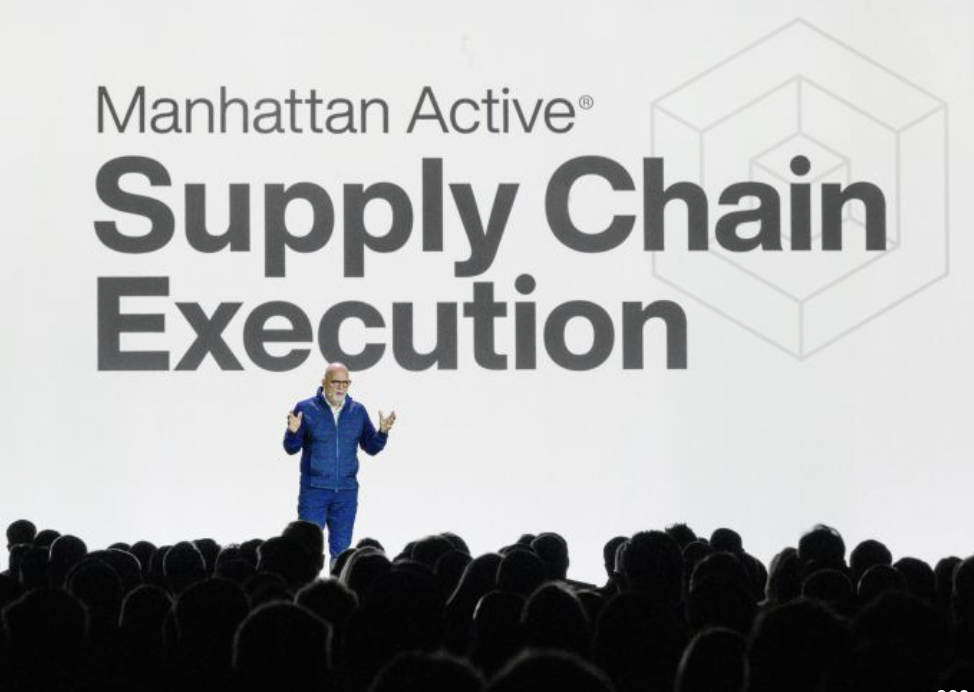
Manhattan Associates Supply Chain Execution

Manhattan Associates delivers industry-leading warehouse management and transportation execution systems used by global retail and logistics organizations.

Platform 05

E2open Network Supply Chain Platform

E2open connects suppliers, logistics partners, and manufacturers into a unified digital supply chain network for collaboration and real-time visibility.

Platform 06

FourKites Real-Time Logistics Visibility

FourKites provides end-to-end shipment tracking and predictive delivery insights across global transportation networks.

What’s Slowing Down Supply Chain Transformation?

While modern supply chain platforms offer powerful planning, visibility, and automation capabilities, many organizations still struggle to modernize their supply chain operations due to technology, data, and operational challenges.

Limited Supply Chain Visibility

Many organizations lack real-time visibility across suppliers, transportation networks, and distribution centers. Without accurate tracking and predictive insights, disruptions and delivery delays become difficult to manage.

Demand Forecasting Uncertainty

Fluctuating market demand and global economic shifts make accurate forecasting increasingly difficult. Poor forecasting can lead to excess inventory, stock shortages, and inefficient production planning.

Supply Network Complexity

Modern supply chains span multiple regions, suppliers, and logistics partners. Coordinating these networks requires advanced planning systems capable of managing dependencies, lead times, and operational risks.

Technology Integration Barriers

Integrating supply chain platforms with ERP systems, warehouse automation, and logistics partners often requires complex system architectures and careful data synchronization to ensure accurate decision-making.

Unlocking the
Potential of Those
Who Advance the
World

How can we assist you?

We value the opportunity to connect with you. Please submit your inquiries and feedback, and our experienced professionals are ready to assist you.

QubitX Intelligence is an Equal Opportunity Employer. All qualified applicants and partners will receive consideration without regard to race, color, age, religion, gender, sexual orientation, gender identity or expression, national origin, disability, or any other characteristic protected under applicable laws.