QubitXIntelligence
LOG IN
Digital manufacturing

SAP Digital Manufacturing: Intelligent Factory Operations and Industry 4.0 Transformation

ARTICLE MARCH 02, 2026 15 MIN READ

KEY TAKEAWAYS

SAP Digital Manufacturing enables real-time factory visibility, machine connectivity, and intelligent production execution.

  • • Real-time shop-floor production monitoring
  • • Integration between ERP and factory operations
  • • AI-driven predictive maintenance
  • • Intelligent production scheduling
  • • End-to-end manufacturing visibility

The Evolution of Digital Manufacturing Global Supply Chains

Manufacturing organizations are entering a new era of digital transformation driven by Industry 4.0 technologies. Factories today generate vast volumes of operational data from machines, production systems, sensors, and industrial equipment.

Traditional manufacturing environments often rely on fragmented systems for production planning, shop-floor execution, quality management, and equipment monitoring. These disconnected systems limit operational visibility and slow decision-making.

SAP Digital Manufacturing enables organizations to unify production execution, machine connectivity, and operational analytics within a single intelligent manufacturing platform.

By connecting factory operations with enterprise systems, organizations can build smart factories that improve efficiency, quality, and operational resilience.

The Growing Complexity of Global Supply Chains Platforms

Phase 01

Manufacturing Landscape Assessment

Organizations begin their digital manufacturing journey by evaluating existing production systems, factory automation, machine connectivity, and operational data environments.


Phase 02

Factory Data Integration

Industrial machines, sensors, and shop-floor systems are connected with enterprise platforms to enable real-time production data capture and operational visibility.

Phase 03

Manufacturing Execution Systems

Manufacturing Execution Systems coordinate production orders, track product genealogy, monitor quality control, and manage shop-floor operations across factories.
Phase 04

Production Intelligence

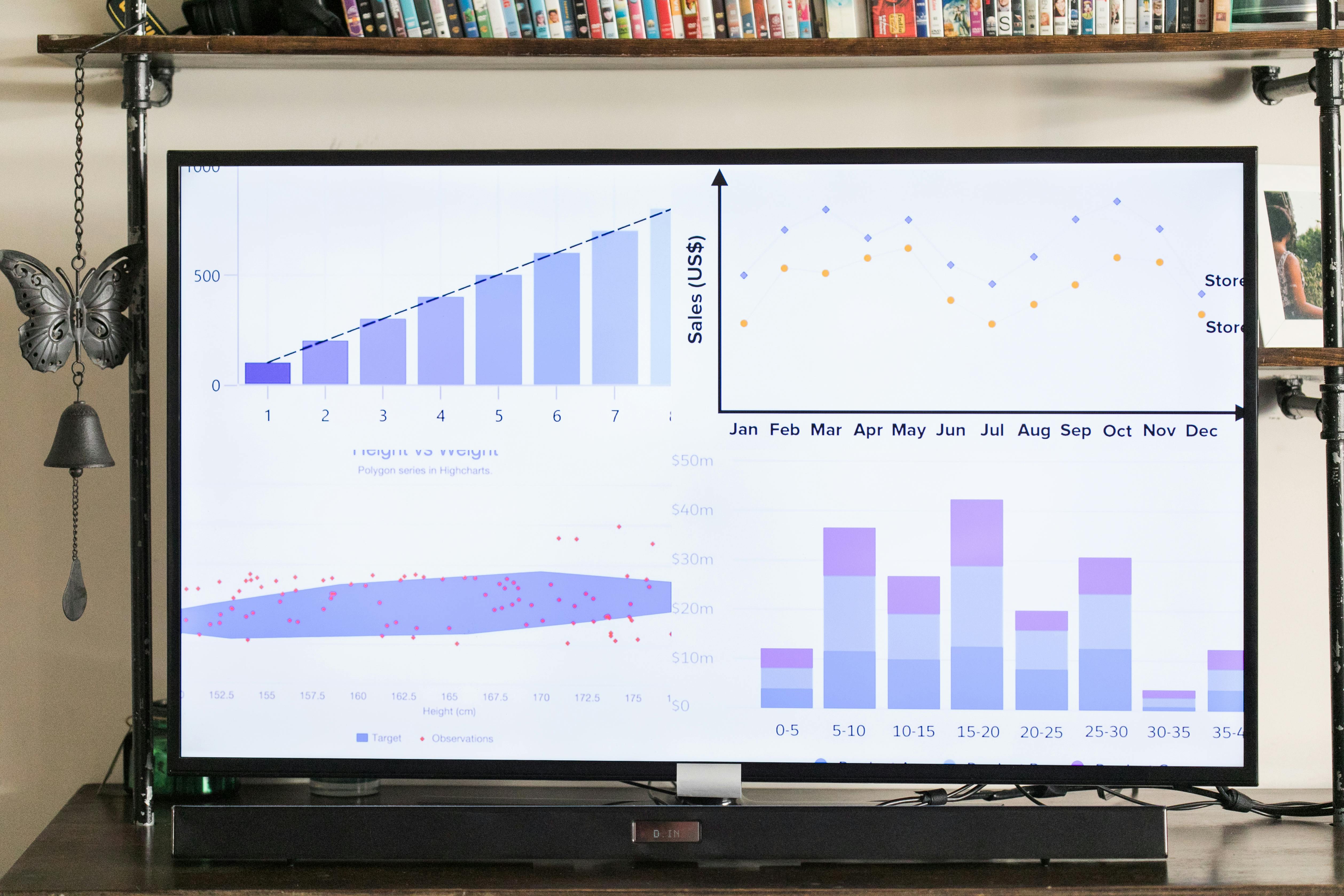
Advanced analytics provide insights into production performance, machine efficiency, downtime events, and operational productivity.

Phase 05

AI-Driven Manufacturing

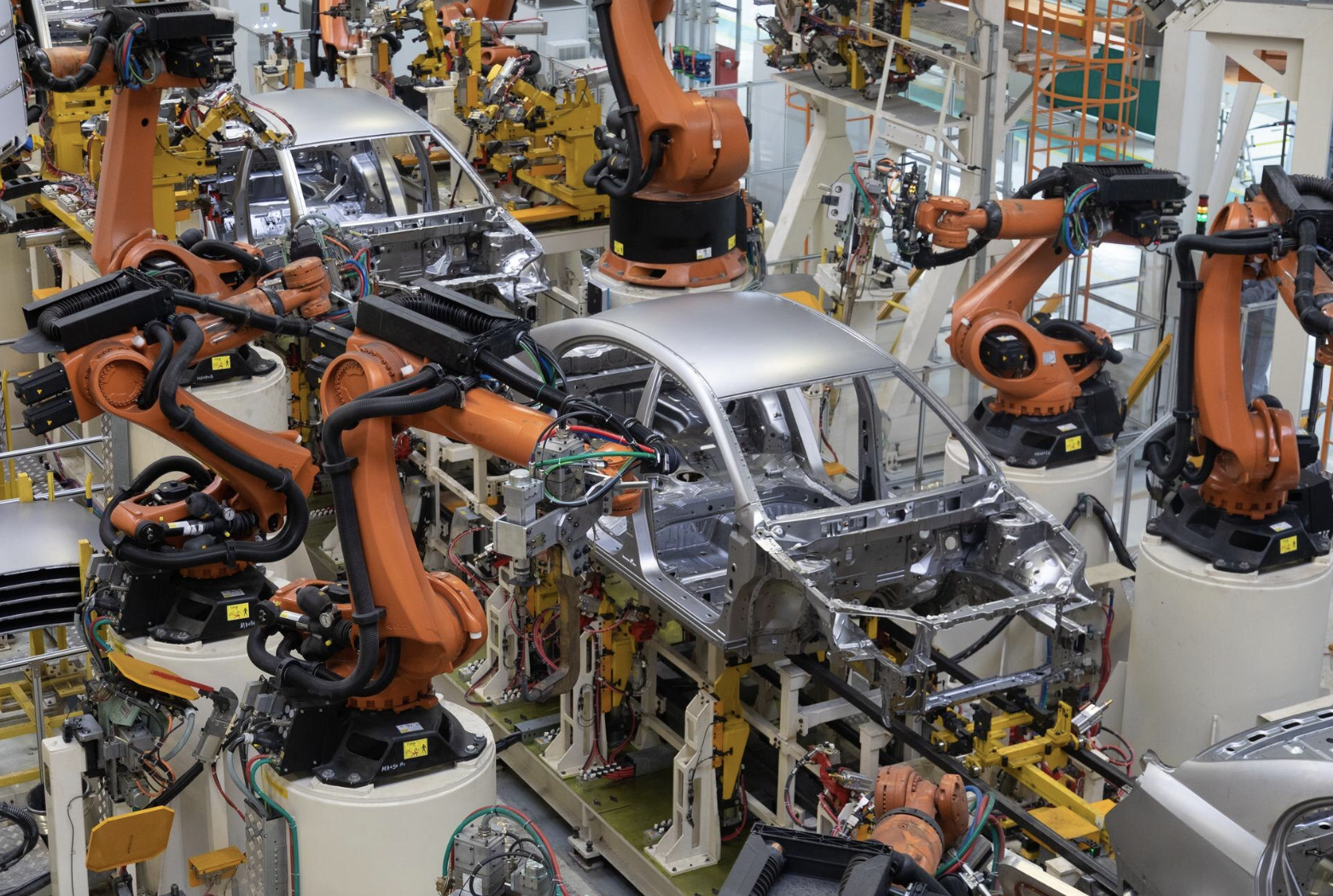
Artificial intelligence enables predictive maintenance, intelligent scheduling, automated quality inspection, and smarter production optimization.
Phase 06

Autonomous Smart Factory

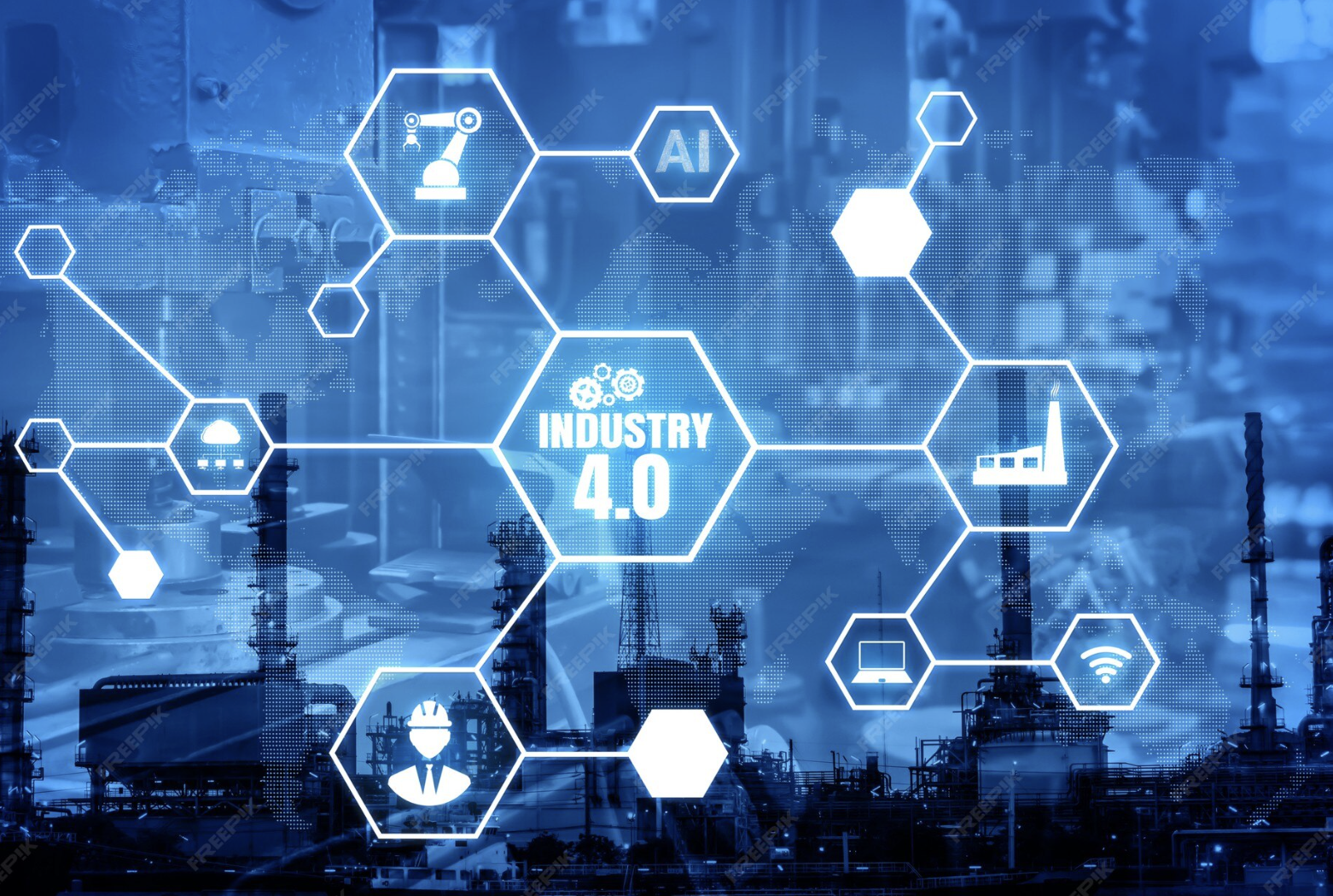
Fully connected Industry 4.0 environments where machines, production systems, and enterprise platforms exchange data to continuously optimize manufacturing operations.

What’s Slowing Down Digital Manufacturing Transformation?

While modern manufacturing platforms promise real-time production visibility, automation, and AI-driven optimization, many organizations still struggle to modernize factory operations due to technology limitations, legacy systems, and fragmented operational data environments.

Legacy Manufacturing Systems

Many factories still rely on outdated MES platforms, spreadsheets, and manual reporting processes. These systems lack the real-time data integration required for modern digital manufacturing.

Disconnected Shop-Floor Systems

Industrial machines, sensors, and production systems often operate in isolated environments. Without integrated platforms, companies cannot achieve full visibility across manufacturing operations.

Limited Production Visibility

Many organizations lack real-time insights into production performance, machine utilization, quality metrics, and equipment downtime across multiple factories.

Complex Global Manufacturing Networks

Large enterprises operate across multiple plants, suppliers, and logistics partners. Coordinating these environments requires unified manufacturing platforms capable of synchronizing production data globally.

Manufacturing Data Fragmentation

Production data is often scattered across ERP systems, MES platforms, machine controllers, and analytics tools, making it difficult to create a unified operational view.

Slow Adoption of AI and Automation

Without connected manufacturing platforms, companies struggle to implement predictive maintenance, AI-driven scheduling, and intelligent production optimization.

Manufacturing Platform Market Landscape

Illustrative comparison of leading manufacturing platforms based on execution capability and strategic vision.

SAP Manufacturing Platform Portfolio

SAP Digital Manufacturing

Cloud-native Manufacturing Execution System combining MES, Manufacturing Operations Management, analytics, and AI.

  • • Native SAP S/4HANA integration
  • • Real-time OEE & production analytics
  • • Built-in IoT connectivity
  • • Global plant visibility

Best For: SAP enterprise ecosystems

SAP Manufacturing Execution

Traditional on-premise MES solution used for shop-floor production control and order tracking.

  • • Detailed production tracking
  • • Product genealogy
  • • Tight SAP ERP integration
  • • Strong discrete manufacturing support

Best For: Existing SAP factory environments

SAP Manufacturing Integration & Intelligence

Integration layer connecting ERP systems with factory equipment and shop-floor applications.

  • • ERP ↔ shop-floor connectivity
  • • Real-time factory dashboards
  • • Production data harmonization

Best For: Legacy SAP ERP integration

Global Manufacturing Software Platforms

Siemens Opcenter

Deep MES + MOM platform integrated with Siemens PLM. Strong in aerospace, electronics, and complex manufacturing.

Plex Smart Manufacturing

Cloud-first MES + ERP platform from Rockwell Automation focused on automotive and supply chain manufacturers.

Honeywell Forge

Industrial platform designed for process industries including chemicals, energy, and pharmaceuticals.

AVEVA MES

Manufacturing performance platform focused on process industries and multi-site plant optimization.

GE Digital Proficy

Manufacturing analytics and OEE optimization platform used in heavy manufacturing industries.

DELMIA Apriso

MES + production simulation platform from Dassault Systèmes used for discrete manufacturing.

Tulip Interfaces

Low-code platform enabling frontline factory applications and digital work instructions.

Critical Manufacturing

Cloud-native Industry 4.0 MES widely used in semiconductor and high-tech manufacturing.

Executive Takeaway

SAP Digital Manufacturing is the strongest platform for organizations already operating on SAP ERP ecosystems. Siemens Opcenter leads in complex discrete manufacturing, while Plex provides a strong cloud-native alternative. Honeywell and AVEVA dominate process manufacturing sectors, while emerging platforms such as Tulip and Critical Manufacturing are enabling Industry 4.0 digital factory innovation.

Unlocking the
Potential of Those
Who Advance the
World

How can we assist you?

We value the opportunity to connect with you. Please submit your inquiries and feedback, and our experienced professionals are ready to assist you.

QubitX Intelligence is an Equal Opportunity Employer. All qualified applicants and partners will receive consideration without regard to race, color, age, religion, gender, sexual orientation, gender identity or expression, national origin, disability, or any other characteristic protected under applicable laws.